

Children play intuitively and are constantly exploring different ways to play. Some do this with caution, while others continually seek out new challenges. Either way, a child’s right to explore, play and discover is something that as parents and caregivers we must protect. It enables them to develop, grow and learn, and become confident, capable characters.
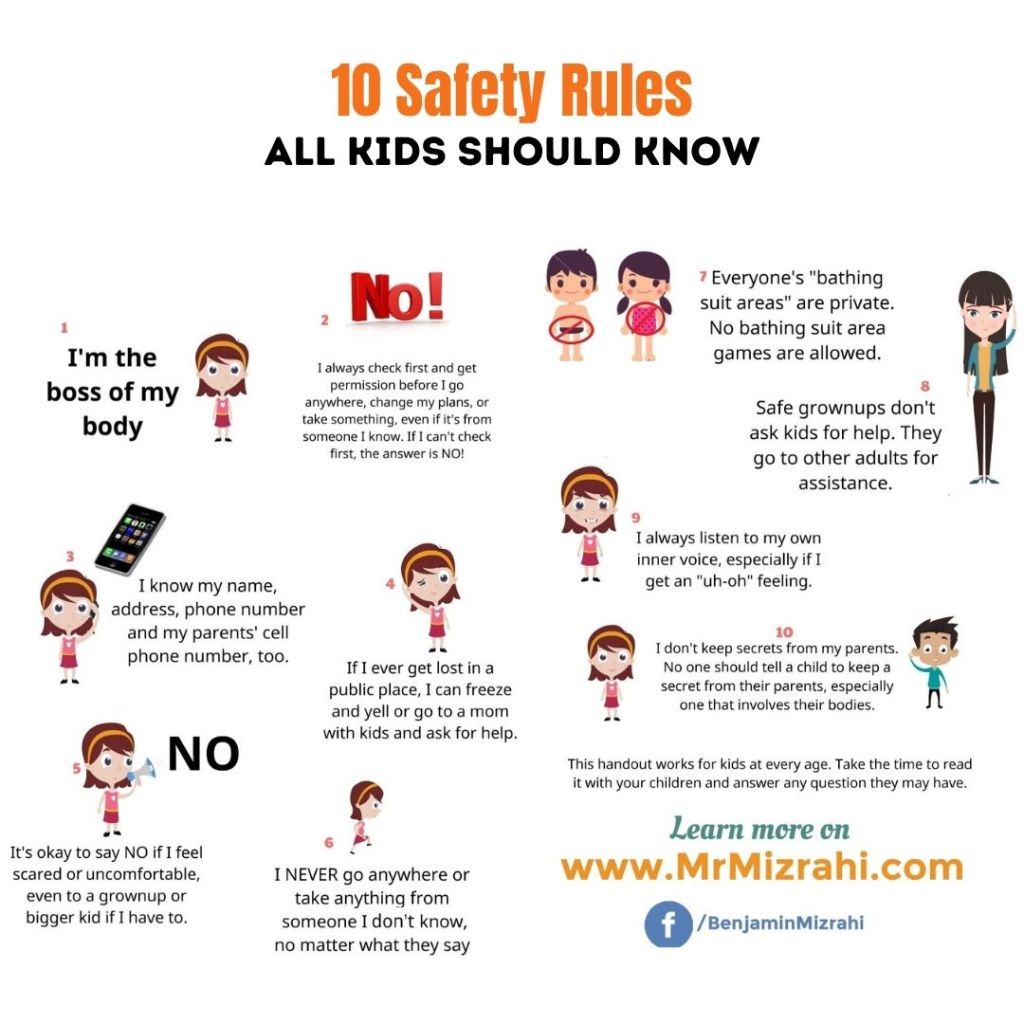
A family is the first line of protection for children. Parents and caregivers are responsible for building a safe and loving home environment, and every safety skill you teach your child can be carried with them throughout their childhood discovery. Schools and communities have a responsibility to protect also, but it’s as part of their home life that basic safety skills should be taught.
As much as you would like to you can’t physically protect them 24 hours a day, so by teaching them to protect themselves, you put them in good stead for a healthy and happy future.


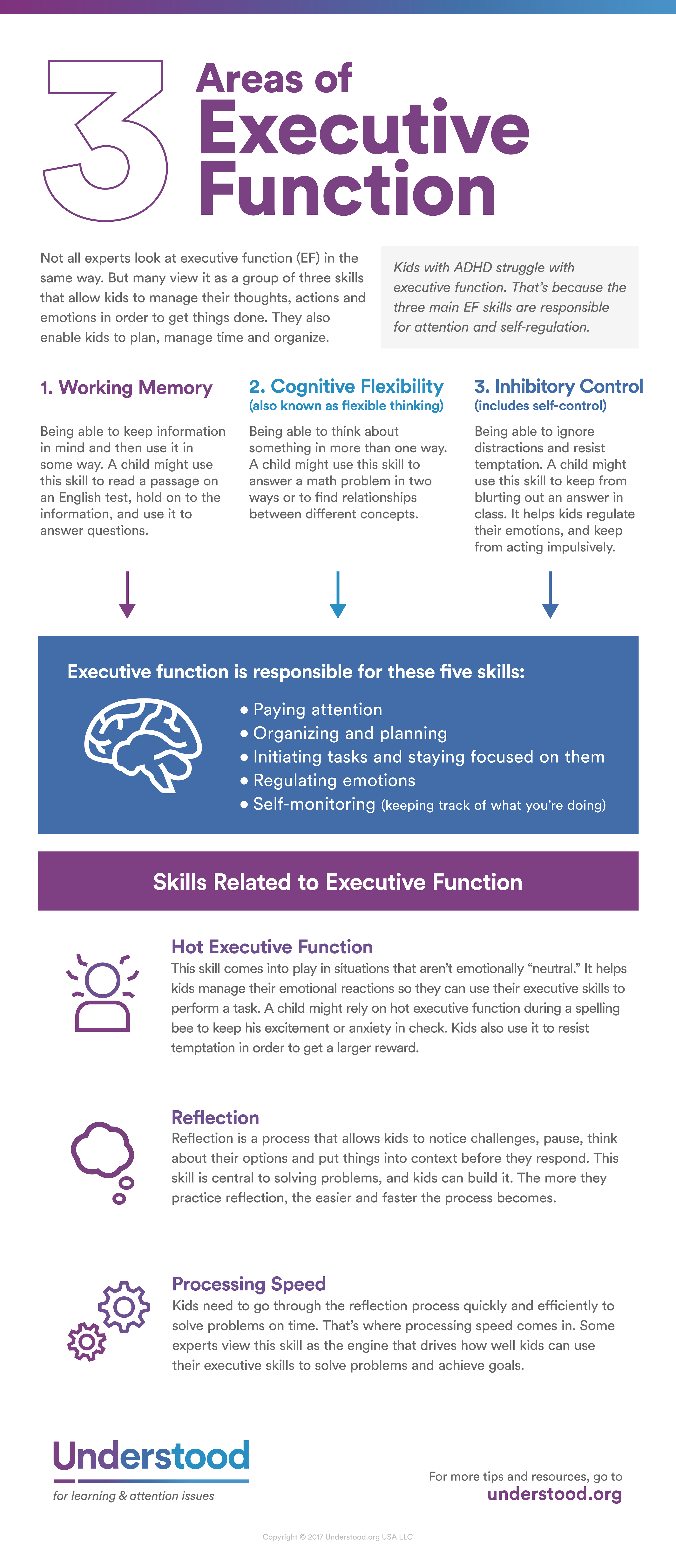
 EXECUTIVE FUNCTIONS COACHING