Tips to Motivate Your Lazy Kid

Sometimes kids get lazy, especially if we allow a lot of screen time during the day and forget to encourage them to help us out around the home. 

Pulling kids out of the lazy zone can feel like pulling teeth or talking to a brick wall, but don’t let this disrespectful behavior stop you from trying to get those kids off the couch and focused on their studies, chores, or other healthier activities. 

Just put a few of these things into practice and you’ll have happy helpers in time. 

🟡 Don’t Argue or Fight with Your Child About Motivation 

When your child is having trouble completing a task such as cleaning their room, fighting, and arguing about it is just going to make things worse. If you can finally get your kid out of bed in the morning and you were fighting about it, then you’re probably going to fight about getting dressed, brushing teeth, and eating breakfast too. 

Arguing with your child about motivation is a breeding ground for power struggles. 

Avoid the power struggle and do this instead: stay calm and be clear with expectations, and allow natural consequences to occur if needed. 

🟡 Staying Calm and Being Clear 

Whenever you are trying to handle a lazy kid, it is important that you are clam and clear about your expectations. For example, if you need your child to get off the couch and put their laundry into the washing machine, then you need to say something like this. 

“I need you to put your laundry into the washer so that it can be washed and dried in time for school tomorrow morning.” 

If your child does not put the laundry into the washer, then the natural consequence will be the lack of clean clothes for school in the morning. 

Sometimes your child will say “I don’t care” to the consequence, and that will get you super frustrated. But this is behavior that needs to be ignored, not engaged with. 

🟡 Give Effective Consequences 

Providing consequences that are thought out and not “reactive” will help motivate your child to follow through with the task you are presenting. 

Using negative punishment when setting consequences will work against you instead of for you in your parenting journey. 

You must understand how to set consequences that work and use them in your parenting. 

🟡 Patience 

Parenting and patience go hand in hand like peanut butter and jelly. 

In order for your children to stop being lazy and become motivated, you will need to have patience and remain calm when speaking to your children. 

This is one of the hardest things we face as parents, but it can be done! 
Impulse Control Solutions

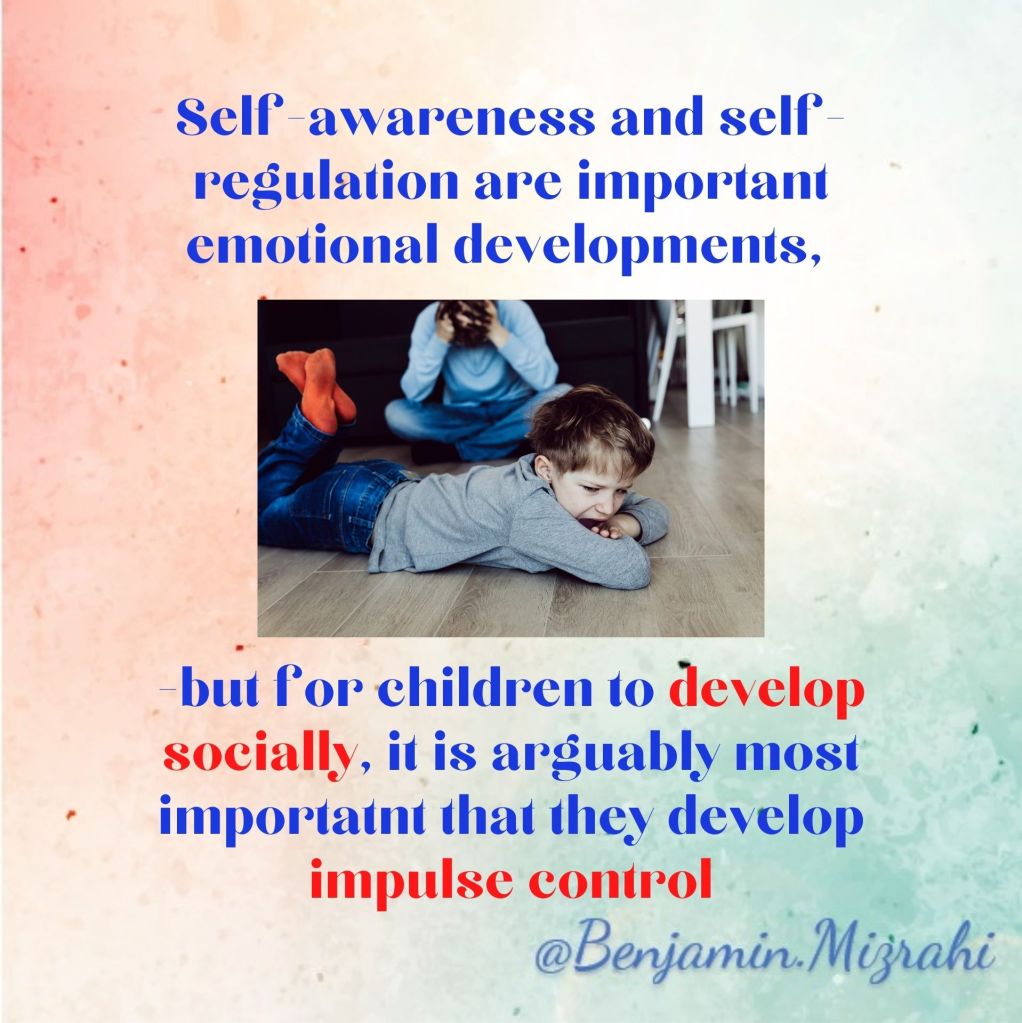
Many children with ADHD seem to spend their lives in time-out, grounded, or in trouble for what they say and do. The lack of impulse control is perhaps the most difficult symptom of ADHD to modify. It takes years of patience and persistence to successfully turn this around. 

Children with ADHD have difficulty telling right and wrong, so parents must be specific, stating clear, consistent expectations and consequences. Telling your child to “be good” is too vague to address behavioral problems. Instead, be explicit: “When we go into the store, do not touch, just look with your eyes.” “At the playground, wait in line for the slide, and don’t push.” Other strategies to try: 

  • Discipline can and should be used in certain situations. While ADHD is an explanation for bad behavior, it is never an excuse. ADHD may explain why Johnny hit Billy, but ADHD did not make him do it. Children with ADHD need to understand their responsibility to control themselves. 
  • Provide positive feedback too. Be sure to also offer immediate, positive feedback and attention when kids with ADD behave well. Catch them doing something good. Specifically, state what they are doing well, such as waiting their turn. 
  • Be proactive in your approach to discipline. Respond to positive and negative behaviors equally. Recognize and remark on the behavior, then respond to positive actions with praise, attention, and rewards or immediately discipline negative actions. 
  • Hold your child accountable. Making your child understand what he did wrong is essential in molding a responsible adult. However, delayed punishment may prevent a child from understanding its relationship to the misbehavior. Punishment must come soon after the misbehavior. 
  • Let the punishment fit the crime. Hitting calls for an immediate time out. Dinnertime tantrums can mean dismissal from the table without dessert. Keep punishments brief and restrained, but let them communicate to your child that he’s responsible for controlling his behavior. 
  • Let minor misbehaviors slide. If your child spills the milk because he’s pouring it carelessly or hurriedly, talk to him about the importance of moving more slowly, help him clean the mess, and move on. Every misstep doesn’t warrant significant consequences. 

Coach Benjamin Mizrahi. Educator. Learning Specialist. Family Coach. Father. Husband.   

More articles on www.MrMizrahi.blog  

How Accepting Yourself Can Make You A Better Parent

When we enter parenthood – the list of inadequacies can continue to grow. “My house is too messy.” “I don’t spend enough time with my kids.” “My meals aren’t healthy.” “I don’t talk to other moms.” When we live by our list – we don’t fully enjoy life or ourselves. 

Learning to accept ourselves can be a challenge – especially when we have been hyper-focusing on our negative traits. But learning to accept ourselves isn’t only good for us – it is good for our parenting. When we accept ourselves, great things start to happen to our parenting… 

❤️YOU ARE A BETTER “YOU” 

When we feel good – we spread our love and positive energy to those around us – especially to our children. Children are emotional sponges soaking up whatever is oozing out of us. When we ooze out irritability and negativity – negativity will permeate our home. When we ooze out love and positivity – it will be felt by those around us. 

❤️OUR CHILDREN ARE MORE LIKELY TO HAVE HIGHER SELF-ESTEEM 

Accepting ourselves not only improves our self-esteem – it helps our children’s self-esteem too. If we go through life making comments like, “I look so big!” Or “Mommy messed that up again!” – our children are going to learn that negative self-talk is okay. When we embrace who we are and ditch the denigrating comments – our children are much more likely to do the same. So, after decades of self-criticism, how do we start to accept ourselves? 

❤️EMBRACE YOUR APPEARANCE 

For starters we should accept our physical identity. Embrace who you are. Eat well to live a healthy life. Appreciate what your body has done for you. When you love your body – your children are more likely to love their little bodies too. 

❤️EMBRACE YOUR PERSONALITY 

We should figure out who we are – not who we aren’t. Are you an introvert? An extrovert? Do you go out of your way to help others? Figure out what qualities you love about yourself. 

❤️EMBRACE YOUR PRIORITIES 

We cannot be everything to everyone. We clean the house and feel guilty we didn’t play with the kids. We play with the kids and feel guilty we didn’t clean the house. We work out of the home and we feel bad we aren’t with our kids. We stay home and we feel bad that we don’t earn the money. It can seem as though parents can’t get a break. 

It is time to itemize our priorities and stop beating ourselves up. What are your life priorities? It can’t be everything. 

Pick two or three areas where you want to thrive and save the most energy for those priorities. It doesn’t mean you have to drop the ball on your other priorities, it just means you aren’t going to beat yourself up when you don’t knock those priorities out of the park. 

Life is too short to be obsessing about what we don’t like about ourselves. When you strip away all of the negative self-talk and constant internal criticism – you are left with a life full of little people, little giggles, and a whole lot of love. 

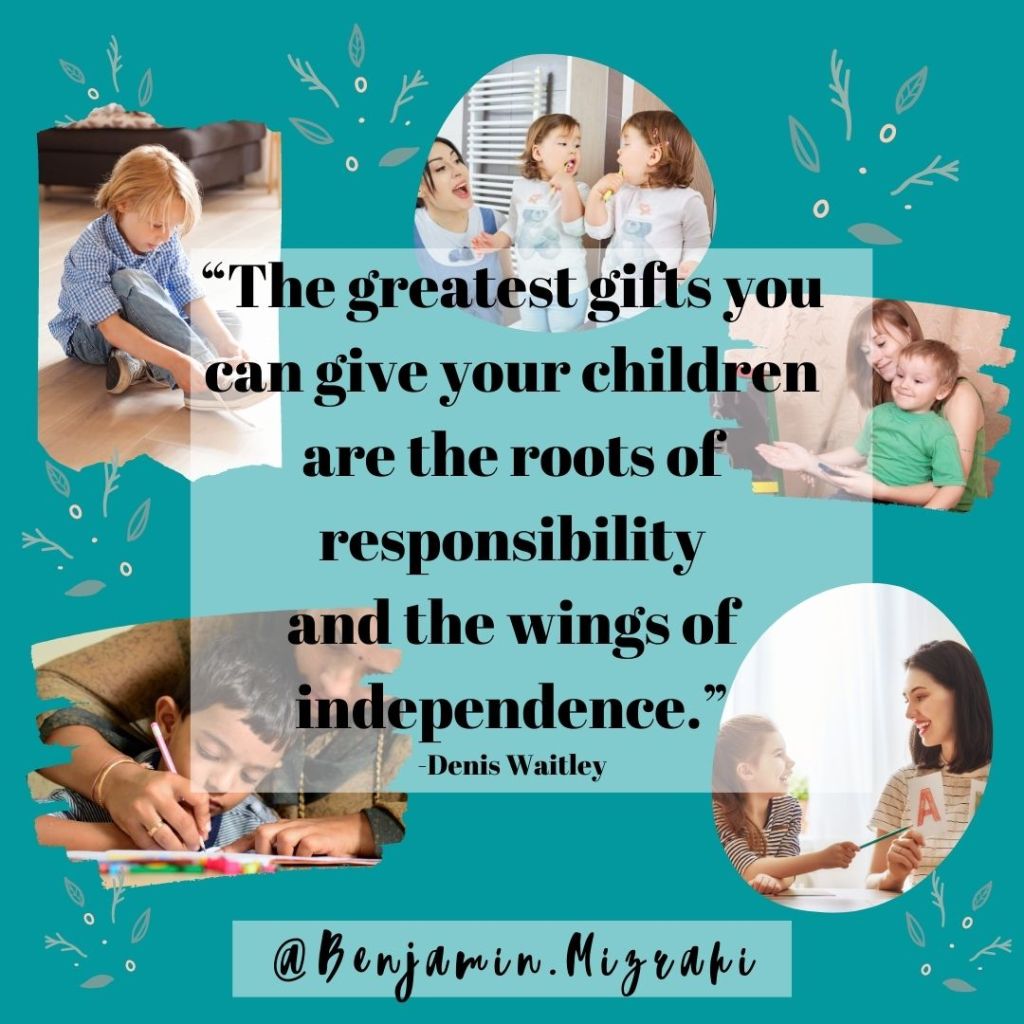
Teach Kids to Do for Themselves

Sometimes difficult behavior happens because children can’t do what you expect. This means that new skills can help with difficult behavior. 

Teaching kids with motor-skills challenges and/or ADHD to tie their shoes, get dressed, or take a bath takes creativity, lots of patience, and, especially, a sense of humor. A parent can try using oral instructions, writing down the steps on poster board in colorful ink, or drawing pictures to show how to do the task.  

When you teach your young child how to count or say the alphabet, you start at the beginning. The same holds true for skills such as putting on socks and pants, taking a bath, and tying shoes. Parents break the skill into smaller steps and chain those steps together, from first to last. This process sounds logical enough, so why do so many of our kids struggle? 

First, some kids get discouraged, because it takes so long to master all of the steps to achieve success. Second, children forget the sequence of steps and get anxious over completing the next one. This anxiety frustrates some children and lowers their self-esteem. Some just give up. 

The idea of step-by-step teaching is to teach the steps that make up a skill one at a time. When your child has learned the first step, then you teach the next step, then the next, and so on. Move to the next step only when your child can do the previous step reliably and without your help. You keep going until your child can do the whole task for himself. 

If the task is complicated, show the first part of the task and give your child a chance to practice. Then move onto the next bit. Start with the easiest parts if you can. 

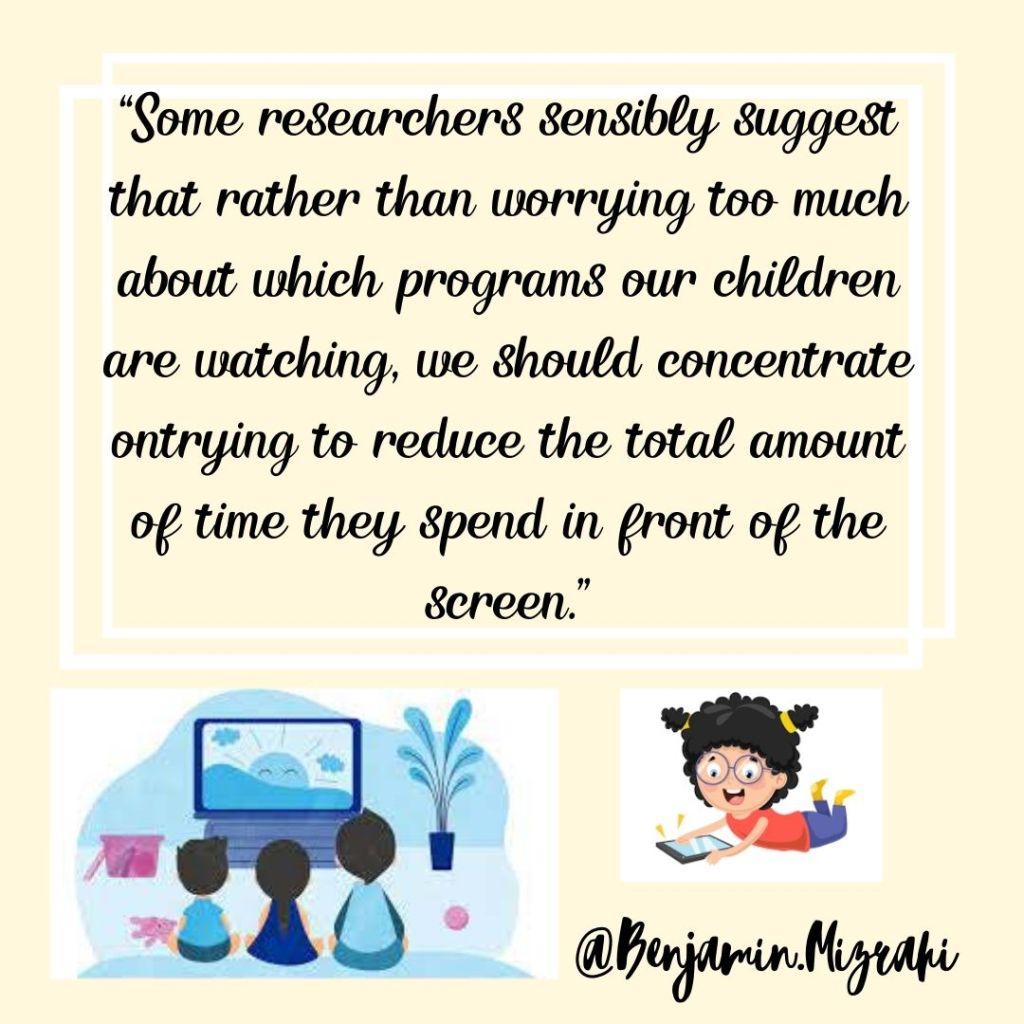
Is Too Much Screen Time Dangerous?

Children love computer games, and that’s not always a bad thing. Whether played on a handheld device, a computer, or a television set, the games can provide hours of quiet fun. That’s one reason parents often rely on them to keep the peace on family vacations. The games can boost computer skills and improve eye-hand coordination.  

🕹️ Big Downsides 

Besides being very expensive, many popular games involve graphic sex and violence. Perhaps most worrisome, they can be extremely habit-forming. Any child can become “addicted” to computer games, but kids with ADHD seem to be at a particular risk. Many of them have poor social or athletic skills, and this doesn’t matter in the world of computer games. Such games level the playing field for children with ADHD. And kids bothered by distractibility in the real world are capable of intense focus (hyper focus) while playing. The computer game “trance” is often so deep that the only way to get the player’s attention is to shake her or “get in her face.” 

🔢 Finding Alternatives 

To make the games less seductive, find ways to minimize your child’s downtime at home, especially those times when he is alone. Maybe your child would be interested in arts and crafts, theater, or movie-making. Maybe a social-skills group would be a good idea. 

📵 Setting Limits 

Children with ADHD often lack the “internal controls” needed to regulate how much time they spend playing computer games. It’s up to parents to rein in the use of the games. 

The first step is often the hardest: Both parents must agree on a set of rules. How much time may be spent playing the games on school nights? Must homework be done first? Chores? How much time may be spent on a weekend day? Which games are taboo, and which are OK? If the child plays Internet-based games, which sites are acceptable? Once parents agree, sit down with your child and discuss the rules. Make it clear which rules are negotiable and which are not. Then announce that the rules start right now. Be sure you can enforce the rules.  

🗣️ Avoiding Confrontations 

Give warning times. A timer that is visible to the child can be helpful. If he continues to play despite your step-by-step warnings, do not shout or grab the game or disconnect the power. Calmly remind him of the rules, then announce that for each minute he continues to play, one minute will be subtracted from the time allowed the next day (or days). Once you get the game back, lock it up.  

How to Avoid Parental Burnout

Parenting a child with ADHD is one of the hardest jobs around. Burnout is very real and common among even great parents. If it ever starts to feel like too much, follow these steps to feel supported, understood and less stressed. 

💎 Prioritize Your Self Care 

There’s only one person in life you can control, and that’s you. You must take care of yourself. If you don’t make yourself a priority—physically, emotionally, and spiritually—you will become drained and exhausted, and have nothing left to give. If you feel like you’re always giving, make an appointment for yourself once a week to do something you enjoy. 

💎 Slow Down and Live 

We live in a hectic society. Slow down and decide what you can eliminate to make your life less stressful. 

💎 Turn It Upside Down 

Sometimes our kids annoy us. They can be pigheaded or argumentative, and it makes us feel like we’re always playing defense. It helps to remember that our kids have great qualities, mixed up with the negative. Whenever you start feeling defensive, list all the things that irritate you about your child. Then flip each one around and ask, “What’s the positive side?” If he’s stubborn, admire his persistence. If he’s argumentative, appreciate his critical thinking skills. 

💎 Be Proactive 

Take a proactive stance in helping teachers, friends, or spouses understand what you and your child struggle with and how they can help. When you meet with your son’s teacher, share his passions and interests, his strengths, where he struggles, and specific strategies the teacher can use. You’ll be giving the teacher an honest view of your son while suggesting tools she can use to support him. 

💎 Give Kids Tools to Succeed 

Do not allow your kids to become victims. They’re bright, creative, and full of energy. Don’t let them use their ADHD as an excuse — instead, help them use their strengths and think strategically about their difficulties. Does she struggle to sit still through her homework? Brainstorm ways to make it easier, like sitting on an exercise ball, or under a table, or even lying off the sofa upside down! 

💎 Find a Friend Who Understands 

Find a good friend with a child facing similar challenges and agree to babysit for each other when it becomes too much. You’ll see that everyone has their own burdens to carry, and you’ll appreciate your child’s good qualities more and more. 

💎 Arm Yourself with Knowledge 

Research ADHD and different practical strategies to handle it. Your child may struggle with focus and attention — it’s part of who she is. But you can educate yourself and figure out: What are some tools he can use in class? Are there alternative therapies that might work? If you arm yourself with knowledge, you’ll feel less overwhelmed and be the best possible parent you can be to your child. 

💎 Stop Trying to Make Everyone Else Happy! 

You have to stop trying to make the world around you perfect. You can’t do it. Stop trying to make everybody else happy, and focus a bit more on making yourself happy.  

Coach Benjamin Mizrahi. Educator. Learning Specialist. Family Coach. Father. Husband.   

More articles on www.MrMizrahi.blog  

Tips On Listening To Your Child

All behavior is communicating something. 
 
It is easy to react and even feel offended by our children’s comments and behaviors. We instinctively react out of anger to protect our feelings and to preserve our identity as a good parent. 
 
However, when we respond out of anger and frustration to our child’s behaviors, we miss the message they are really trying to send. 
 
Is it easy to do every time? Of course not! We can’t expect to, because we’re not perfect parents. 
 
But, if we want to have a genuine and responsive connection with our children and hear their true need, we need to dig deeper. 

Here are the keys to improve your listening skills: 

Listen first. 

Always listen. 

Create a special time and place for listening. 

Use active listening. 

Here are Tips on Listening to Your Child: 

  • Listening carefully is how you gather information about what’s going on in your child’s life and head. 
  • Listening effectively builds strong relationships. 
  • Listening thoughtfully shows respect. 
  • Listening is always the first step in solving problems. 
  • Listening to your child’s perspective will teach you a lot. Kids are smarter than most grown-ups think, and they generally know what they need. Listen to your kids, and they will teach you how to raise them. 
  • If you want your child to listen to you, you’ll need to first listen to her. A child who is listened to learns how to listen. And until she learns how to listen to you, it’s the same as telling your problems to the bathroom mirror—no matter how eloquently you express yourself, nobody will be hearing you but you. 

Coach Benjamin Mizrahi. Educator. Learning Specialist. Family Coach. Father. Husband.   

More articles on www.MrMizrahi.blog  

Big Little Feelings

It’s become societal norm that when our little ones are experiencing huge emotions, we look to suppress their feelings or punish their behavior. Discipline such as social isolation, spanking or threats are used as an attempt to fix child’s behavior. But do they work? And what are the consequences? 

Parenting can be the hardest job in the world, and although very difficult at times, it’s important to remember that meltdowns and those difficult parenting moments are often a great time for our little ones to learn. Learning in those moments helps their brain to develop and become integrated. 
 
Our natural reaction is to suppress, and more traditionally punish, but it’s really important not to shut our little ones down during these difficult moments. So, remembering the true meaning of the word “discipline” can really help us. 

If your child dwells on a disappointment for hours, then you have to begin with the basics. 

Teach your child what can and can’t be changed. He may not understand that the problem is out of your control or that a tantrum won’t get him what he wants. Validate his distress by saying, “I know you’re upset,” and then discuss more effective solutions. 

Expose your preschooler to different activities until he finds one that he really enjoys—and that you could see him mastering. If a child can turn to something, he knows he’s good at when the chips are down, it’s like an instant ego boost, says Dr. Brooks. “It can immediately change his thought pattern from, ‘Poor me, nothing ever goes my way,’ to ‘Oh well, it’ll work out next time.'” 

Don’t punish your child for a negative reaction to disappointment, especially if she’s prone to tears. While that can be hard, remind yourself of the times you’ve needed to vent or have a good cry to get through a rough situation. 

Coach Benjamin Mizrahi. Educator. Learning Specialist. Family Coach. Father. Husband.   

More articles on www.MrMizrahi.blog  

What Every Parents Really Need?

Which of these do you need today? ⁣⁣ 
⁣⁣ 
You’re working to break generational trauma. ⁣⁣ 
⁣⁣ 
You’re challenging yourself daily to parent differently than the way you were parented. ⁣⁣ 
⁣⁣ 
It’s hard work. ⁣⁣ 
⁣⁣ 
It’s life work. ⁣⁣ 
⁣⁣ 
You’re working long hours and the stress of work leaves you with little patience for your children. ⁣⁣ 
Which of these do you need today? ⁣⁣ 
⁣⁣ 
You’re awake more hours than asleep caring for your newborn, homeschooling, and maintaining your home and routines. ⁣⁣ 
Which of these do you need today? ⁣⁣ 
⁣⁣ 
You see your friends managing their stress better and doubt your ability to manage yours. ⁣⁣ 
Which of these do you need today? ⁣⁣ 
⁣⁣ 
You see accounts on Instagram that give helpful parenting information that sounds easy but is so hard to put into practice. ⁣⁣ 
Which of these do you need today? ⁣⁣ 
⁣⁣ 
You believe that you shouldn’t feel this way as a mother or father. ⁣⁣ 
Which of these do you need today? ⁣⁣ 
⁣⁣ 
⁣⁣ 
You may be working hard to change who you are and are overwhelmed with guilt and shame when you return to patterns you no longer want to live into. ⁣⁣ 
Which of these do you need today? ⁣⁣ 
⁣⁣ 
Many of us may believe that breaking generational trauma or being a peaceful parent means we must change who we are. That’s what we’re working on. ⁣⁣ 
⁣⁣ 
Can I share something with you? ⁣⁣ 
⁣⁣ 
We may learn to change behavior, habits, or ways of interacting with ourselves and others but who we are is already whole. ⁣⁣

Building Connection and Great Relationship with Your Child

All parents want to build a great relationship with their children. Like in any relationship, a parent-child relationship also takes effort and patience to run smoothly. 

Do you want to know the secret to building a strong bond with your child? It is connection. You can’t expect your child to love you for life just because you are their mother or father. Yes, most of the time we love our parents even if they were not what we wanted to be.  

But is that enough? Don’t we want to build close, meaningful relationships with the people we love?  Like anything meaningful in life, building great relationships also takes work. But it’s not hard. You already love your child. What you need is the sincere effort to pass it to them. It means being present for them and paying attention to them. 

The answer is, you don’t need to take a lot of time in your day to connect. Always aim for quality time against quantity time. Even if you are a stay-at-home mom and are always around, it’s not enough to build a connection. You need to engage with your child intentionally and bond with them. 

Try these connection-building activities: 

 🟡 Play with them 

 🟡 Listen to them 

🟡 Hug and cuddle 

 🟡 Have one-on-one time with each kid 

🟡 Do chores together 

 🟡 Make use of driving time 

🟡 Slow down, don’t rush them 

🟡 Put the smart phones away 

🟡 Tell stories 

🟡 Take one-day trips or dine out as a family 

Building connection is essential because we want our children to feel loved. We also want them to follow the rules we have set for them so that they grow up as well-adjusted kids. But if there is no connection and only rules, it’s hard to get co-operation from them.  

Lack of connection directly impacts their behavior towards you. Because as parents we always need to guide them to behave well. And that includes scolding, criticizing, and even yelling (yes, we all don’t have it together all the time). So, if they are getting only negative interactions from us, it is going to weaken the relationship. Therefore, taking time to connect must be made a priority. 

How to Raise A Kind And Helpful Kid?

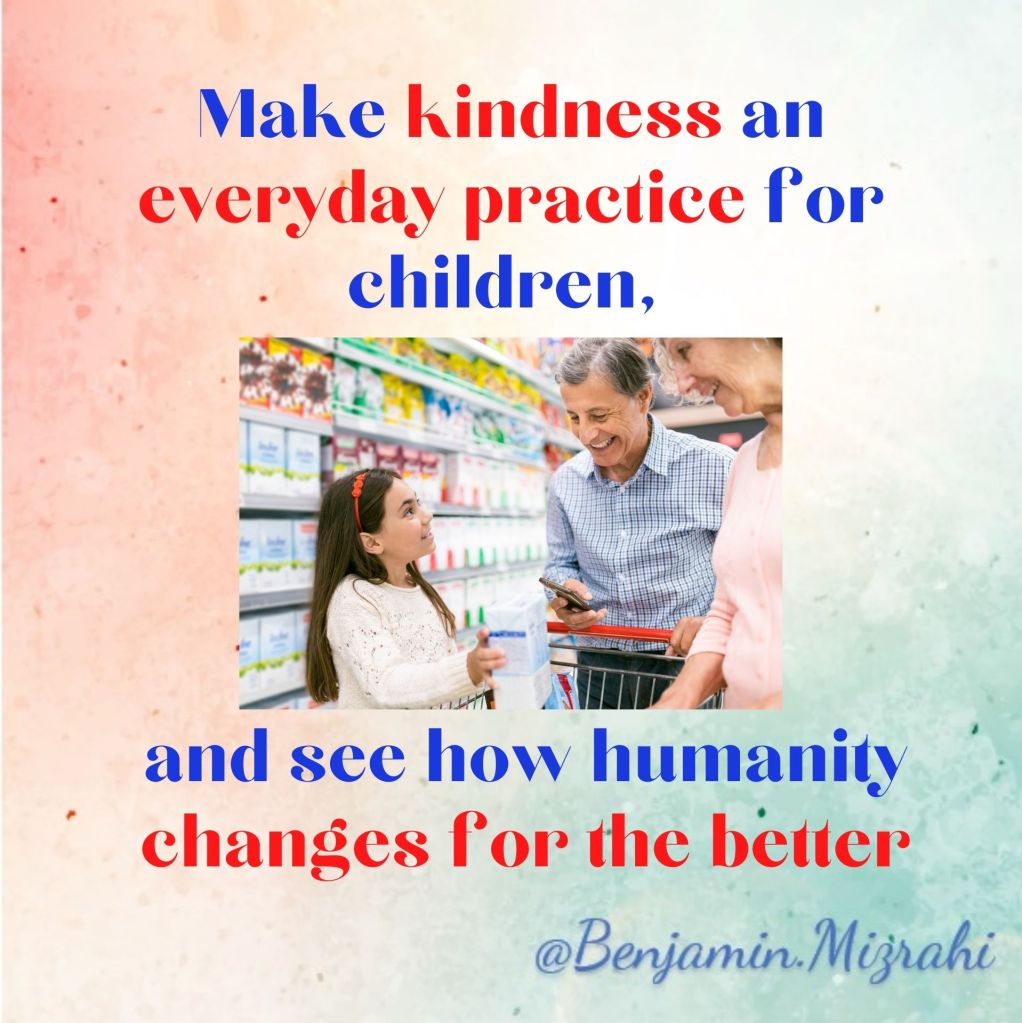
One simple way to teach kids to be kind is to encourage them to be helpers. To be people who see others struggling and take action. It takes empathy, compassion, and true kindness to realize others shouldn’t have to struggle when it’s within our ability to lessen their struggle. And it’s the kind of thing that can change the world. Because for that moment, that one act of helpfulness can improve that person’s world. It’ll make their life easier, or better, or simpler, or more comfortable. 

And for our kids-the people who can make that happen- it will bring an infinite amount of pride, and joy, and peacefulness to know they changed that one person’s day for the better. Those are the kind of people we need more of to make the world a better place. 

How to Encourage Kids to Be Helpers: 

1. Model being a helper.  

Often show them how simple it is to make someone else’s day a little easier. 

2. Expect them to help 

Expect our kids to help. Tell them often, “In our family, we all help.” Teach them to help in a way they can handle based on their age like helping to unload the car. The youngest can carry in a box of cereal, while older kids carry in bags. Then they help unload and put food away. 

3. Ask them to help siblings 

To purposefully build positive sibling relationships, asked your kids to help their siblings with tasks. When they take the time to help each other, they feel more connected with each other. 

5. Praise helper behavior when you see it 

When your kids are helpful without asking them to be, you should praise them loud and clear for all to hear: “Oh, you are a helper. Thank you for being such a big help!” It lets our kids associate good feelings with the helpful actions and choices they make which will intrinsically motivate them to continue these valued behaviors in the future. 

5. Remind them to ask if they can help 

Not everyone wants help or is in a place where they can accept help. And that’s okay. So, if you see someone struggling or who may benefit from help, it’s important to ask them, “May I help you?” Because sometimes, the wrong kind of help, no matter how good the intentions are, isn’t helpful at all. Getting someone’s consent before we jump in to help is common courtesy. 

6. Assign chores 

There’s a myriad of reasons why kids need chores, but one of them is they practice helping without complaining, doing things around a home that need to be done. Then, when they’re at a friend’s house, they’ll know how to clear a table and help with the dishes and clean up after themselves.  

7. Sign older kids up for a volunteer “job” 

Older kids can benefit greatly for a number of reasons when they have a volunteer “job.” They’re learning how to hold a real job, but they’re also learning how to be helpers in the community at large when we’re not standing over them, walking them through it, telling them how to help. 

8. Volunteer as a family 

Finding volunteer opportunities for young children can be tricky. You can expose your kids to more big acts of kindness. Big opportunities to serve community, help those who need it, and volunteer with organizations who are short on money, supplies and people with extra time. 

Encouraging our kids to be helpers when they’re young raises them to be adults who offer help to others. Being a helper empowers our children to realize they can make a difference in this world by reaching out and offering a simple fix to the people around themOur kids need to know they can make a difference for the people around them. 

Who Are You In The Life Of Your Child? ⁣⁣⁣⁣

Who are you in the life of your child?⁣⁣⁣⁣

While we often hold the view that we need to learn more tips and tricks to be better parents from our child’s perspective, they see…⁣⁣⁣⁣ 
⁣⁣⁣⁣ 
“When you asked me if I wanted to go with you to run errands, I know I must be important in your life.” 
⁣⁣⁣⁣ 
“When I accidentally spill my milk on the table and you say, “oops, let’s get a towel and clean it up.” without yelling or shaming me, I know it’s safe to make mistakes around you. ⁣⁣⁣⁣” 
⁣⁣⁣⁣ 
“When you are patient with me by coming in to check on me at night, I know I’m safe. ⁣⁣” 
⁣⁣⁣⁣ 
“When you listen to me talk about my dolls, friends, or made-up stories, I know you care about my world.⁣⁣” 
⁣⁣⁣⁣ 
“When you look into my eyes and smile deeply, I know I’m loved.⁣⁣⁣⁣” 
⁣⁣⁣⁣ 
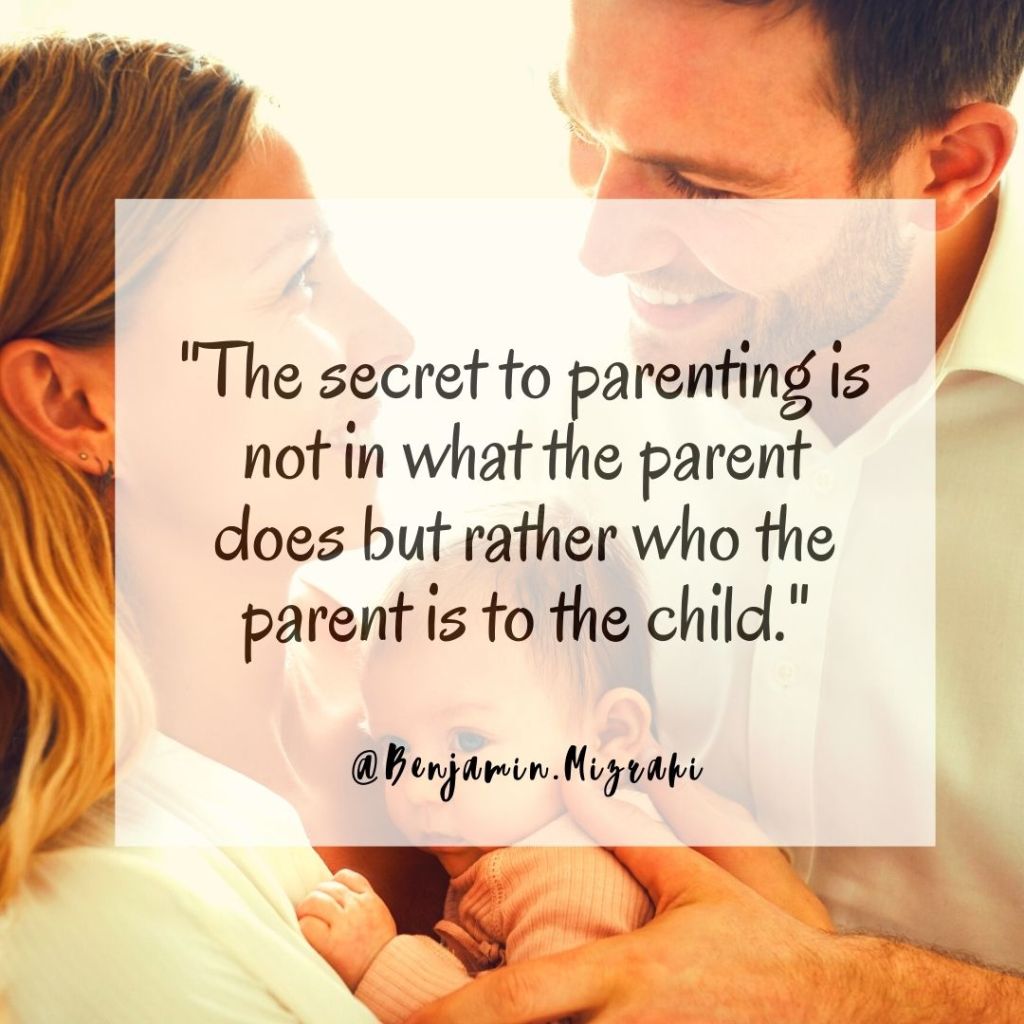
The secret of parenting isn’t in the strategies we learn; they are helpful. The secret of parenting is in the relationship we have with our children. ⁣⁣⁣⁣ 
⁣⁣

Double tap if you agree.
⁣⁣⁣⁣ 
Wishing you and your family peace, kindness, and love. 

Coach Benjamin Mizrahi. Educator. Learning Specialist. Family Coach. Father. Husband.   

More articles on www.MrMizrahi.blog